
I wonder if animals can devolve into plants?
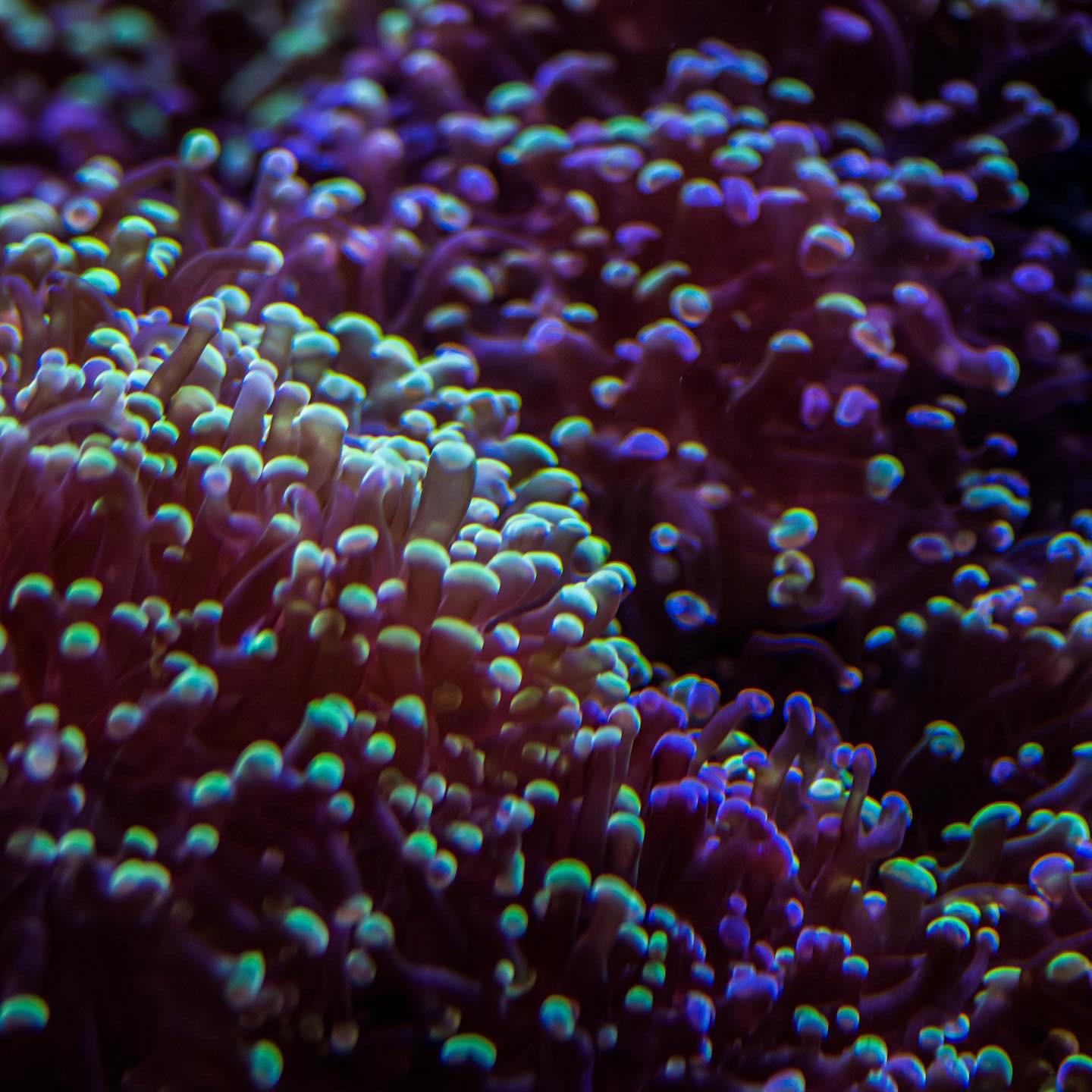
First glow-in-the-dark animals may have been ancient corals deep in the ocean.
A new study suggests that the first animal that glowed in the dark was a coral that lived deep in the ocean about half a billion years ago. That’s far earlier than previously thought.
I wonder if it was only one or several animals that were produced by one or several corals?
I wonder if the coral reef simply supported the animal for so long that both became one?
Interesting. Maybe more such observations will we reported of plants turning into animals.
I wonder how they figured that out? Come to find out, all corals are already considered animals, so what’s news here?
AI Overview
Corals are animals because they meet all five criteria that define animals:
- Multicellular
- Consume other organisms for food
- Have an internal digestive system
- Embryonic development
- Motility, or can move independently
Corals are cnidarians, a phylum of aquatic invertebrates that also includes anemones, hydrozoans, and jellyfish. These animals lack a true spine, have radial symmetry, and have stinging cells that help them stun and capture their prey.
National Marine Sanctuary Foundation Dec 9, 2022
Corals are extremely ancient animals that evolved into modern reef-building forms over the last 25 million years. Well-developed reefs can reflect thousands of years of history and rival old growth forests in the longevity of their ecological communities.
Do you see a contradiction? Rather than the reefs evolving into animals, the corals were the animals that later turned into plants. The National Marine Sanctuary Foundation states that corals are actually ancient animals that evolved into modern reef [plant] building forms.
So it’s beginning to look like the animal and the plant turned into one. The coral reefs are from ancient animals that clustered together to form reefs.
- “Corals can also reproduce sexually, releasing eggs and sperm into the water to create new coral larvae.”
- “The reef part of a coral reef is made of calcium carbonate, or limestone, in the form of aragonite. Stony corals, or scleractinians, are the main type of coral that build reefs by secreting layers of calcium carbonate beneath their bodies. These layers form annual growth patterns, similar to tree rings, and can be decades old. The polyps that make up the coral colony are connected by a thin layer of tissue called coenosarc, creating a living mat over the skeleton”
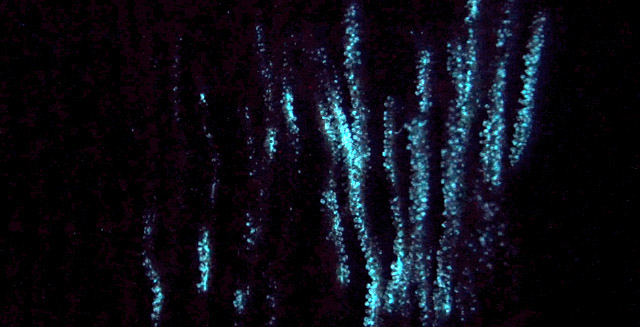
Maybe the glow-in-the-dark- animals is what’s unique here. Let’s see.
Do all corals (animals) glow in the dark?
“No, not all corals glow in the dark, but about 60 species do, and more may be discovered. This ability is called bioluminescence, and it involves the corals absorbing damaging light wavelengths and emitting them as pink, purple, or other colors.”
Ops, looks like I originally made the assumption that corals were plant structures, when in fact they were animals, and the reefs were made from secretions emitted by the animals (corals) that hardened enough to become their home upon which they made their habitat.
So there was no evolving of a plant into an animal or an animal into a plant, not here anyway. If all life started in the swamp, where water and other conditions were required for any life, plant or animal, then there may have been some point, when either part of the animal or part of the plant veered off or became an offshoot and with added ingredients which allowed a separation to become all of one or the other – plant or animal. Which came first, the plant or the animal is a question much like which came first the chicken or the egg? Or the egg or the chicken?
At some point however, I’m still seeing the habitat as an animal. It was made from part of the animal. Not unlike the skin of a dead animal became a tent, but was not a living, breathing animal at the time it became a tent. Still, I wonder if the reef itself lives and breathes?
Coral is a colonial animal that forms reefs by secreting calcium carbonate skeletons. Reefs are made up of colonies of corals, called polyps, that grow together on a hard surface, such as rock. The polyps extract dissolved calcium from seawater and solidify it into a hard mineral structure that serves as their skeleton. Over time, these skeletons build up into thin layers of calcium carbonate that form the reef.
https://apnews.com/video/animals-corals-national-national-0daefd013b0041aba82fa2b16cb8fa84
https://apnews.com/0daefd013b0041aba82fa2b16cb8fa84

 HAPPY WHITE HORSE™©